

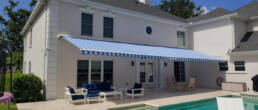
A retractable awning is one of the easiest ways to add comfortable outdoor living space to a Florida home, but the sun, humidity, and salt air that make our patios so enjoyable can also wear down fabric and hardware faster than in other parts of the country. The good news is that a retractable awning is a low-maintenance investment when you know a few simple habits to keep it in good shape. In this guide, we walk through the seasonal care, cleaning steps, and warning signs every awning owner should know so your shade structure keeps performing for years to come, whether you use it every afternoon or just a few times a month.
Whether your awning is brand new or has been shading your patio for several seasons, the fundamentals of care are largely the same. A little consistency goes further than the occasional deep clean, and knowing what to look for means you can catch small problems while they are still easy and inexpensive to fix.
Why Retractable Awning Maintenance Matters in Florida
Florida’s climate is uniquely tough on outdoor structures. Intense UV exposure can fade or weaken fabric over time, humidity encourages mold and mildew growth, and coastal air introduces salt that can corrode metal components if left unchecked. Add in the occasional strong wind gust or afternoon thunderstorm, and it becomes clear why routine care is so important for retractable awnings in particular.
Unlike a fixed structure, a retractable awning has moving parts, including an extending arm mechanism, a roller tube, and often a motor. Each of these components benefits from a little attention throughout the year. Regular maintenance does more than keep your awning looking good. It also protects the mechanical parts that let you open and close it smoothly, which helps you get the most life out of your investment and avoid costly repairs down the road.
Think of maintenance as protecting two separate systems working together: the fabric that provides the shade, and the frame and motion system that extends and retracts it. Fabric issues tend to show up first as fading, staining, or mildew, while frame and motor issues usually show up as noise, resistance, or uneven movement. Paying attention to both sides of the equation is the best way to keep your awning performing the way it did on day one.
Seasonal Cleaning and Care Basics
Most retractable awning maintenance comes down to consistent, simple cleaning. Here is a basic routine that works well for Florida homeowners:
Fabric Cleaning Steps
- Brush off loose dirt, leaves, and debris with a soft broom before cleaning.
- Use a mild soap and water solution rather than harsh detergents or bleach.
- Rinse thoroughly and allow the fabric to air dry completely before retracting it.
- Spot clean any mildew as soon as you notice it so it does not spread across the fabric.
We recommend a full cleaning at least twice a year, with a quick rinse or wipe-down more often if your home is near the coast or under trees that drop sap or pollen. Always let the awning dry fully before rolling it back up, since trapped moisture is one of the most common causes of mildew and fabric damage.
It also helps to think seasonally. In spring, a thorough cleaning removes pollen and winter debris before the heavier rain season arrives. In summer, more frequent rinsing keeps up with pop-up storms and higher humidity. In fall and winter, when the awning may be used less, a final cleaning before a stretch of lower use helps prevent anything from setting into the fabric while it sits rolled up for longer periods.
Motorized vs. Manual Awning Care Differences
Both manual and motorized retractable awnings need the same fabric and hardware care described above, but motorized units have a few extra considerations. The motor itself is largely maintenance-free, but it is worth testing the extension and retraction occasionally to make sure the movement stays smooth and the sound stays consistent. Any grinding, clicking, or hesitation is worth having a professional look at sooner rather than later.
If your motorized awning includes a wind or rain sensor, check periodically that it is triggering as expected. These sensors are a helpful safety feature, but like any electronic component, they benefit from an occasional function check, particularly at the start of storm season. Manual awnings, by comparison, rely entirely on you to extend and retract them, which means the retraction habits covered later in this guide are especially important to build into your routine.
Protecting Your Awning Fabric and Frame Hardware
Beyond cleaning, a few habits go a long way toward protecting both the fabric and the frame. Check the hardware periodically for loose bolts or brackets, especially after a period of heavy use or strong weather. Lubricating moving joints on the arm mechanism, following the manufacturer’s guidance, can help keep the motion smooth and prevent unnecessary strain on the motor if your awning is motorized.
What to Inspect Each Season
- Arm joints and pivot points for smooth movement
- Mounting brackets and hardware for signs of rust or looseness
- Fabric for fraying, discoloration, or small tears
- Motor and remote function, if your awning is motorized
Small issues are much easier to address early. A loose bracket or a small fray in the fabric rarely causes a problem on its own, but left alone through multiple storm seasons, it can turn into a bigger repair. If you are still deciding between a manual or motorized retractable awning, it is worth knowing that both styles benefit from the same basic care routine, though motorized units also need occasional attention to the motor and controls. If you are ever unsure whether wear is cosmetic or something more serious, it is always better to ask before it turns into a bigger repair.
When to Retract Your Awning
Knowing when to close your awning is just as important as cleaning it. Retractable awnings are designed for comfort and shade, not for standing up to sustained high winds, so it is best to retract yours anytime weather turns unpredictable.
Retract Your Awning When
- Wind speeds pick up beyond a light breeze
- A thunderstorm or tropical system is forecast
- You are leaving the house for an extended period
- Heavy rain is expected, since pooling water can strain the fabric
Many homeowners choose a motorized awning with a wind sensor for added peace of mind, since it can retract automatically when conditions change. If you already have questions about wind performance for your specific model, our team can walk you through what your awning is built to handle and how to use it with confidence throughout the year.
It is also worth building a simple habit of checking the forecast before you extend your awning for the day, especially during Florida’s summer storm season when conditions can shift quickly in the afternoon. A few extra seconds of planning goes a long way toward protecting both the fabric and the frame from unnecessary strain.
Signs Your Awning Needs Professional Service
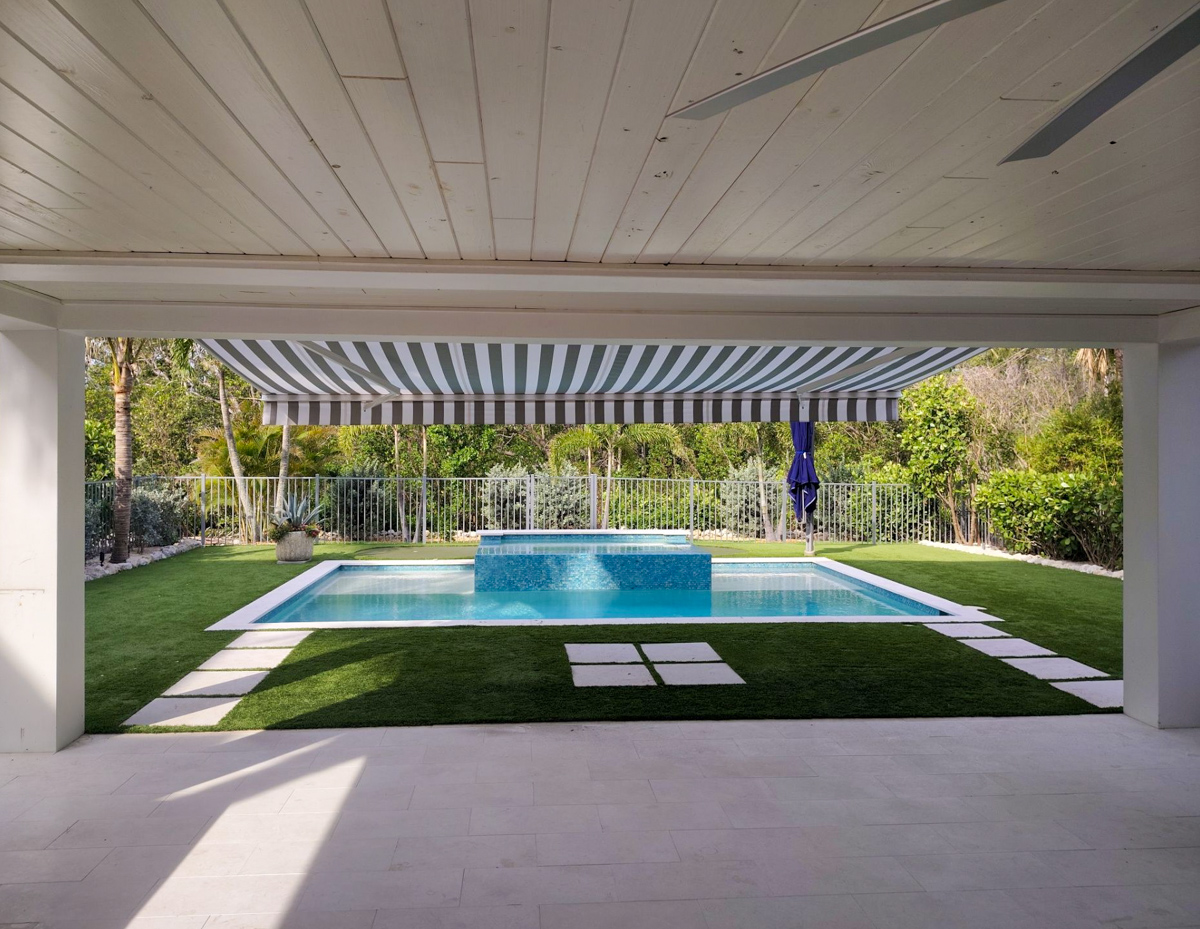
While most maintenance is simple enough to handle yourself, certain signs point to a job best left to a professional. If your awning is not extending or retracting smoothly, if you notice unusual noises from the motor, or if the fabric has developed significant tears or stretching, it is time to call in an expert rather than attempting a repair on your own.
Frame damage after a storm, persistent mildew that will not come out with normal cleaning, and worn cables or springs are also good reasons to schedule a professional inspection. Catching these issues early protects your investment and keeps your awning safe to operate. Our team can inspect your setup, make adjustments, and let you know whether a simple fix or a fabric replacement makes the most sense for your situation.
An annual professional check-up, even on an awning that seems to be working fine, is a good habit for many homeowners. A technician can spot early signs of wear that are easy to miss during day-to-day use, such as slight fading in the seams, a barely noticeable change in how evenly the fabric rolls, or hardware that has loosened just enough to matter over time. If you purchased your awning through our team, we can also walk you through what is covered under warranty if a repair is ever needed.
Quick Maintenance Checklist
Keeping track of a simple routine makes retractable awning care easy to stay on top of throughout the year:
- Brush off debris and rinse fabric every few weeks
- Deep clean with mild soap twice a year
- Let fabric dry fully before retracting
- Inspect hardware, joints, and motor each season
- Retract before storms, high winds, or extended time away
- Schedule a professional check-up if you notice unusual wear or performance
Following this checklist helps you catch small issues before they become bigger ones, and it keeps your outdoor space ready to enjoy whenever the Florida weather cooperates. Pairing good habits with periodic professional attention is the simplest way to protect your awning for the long run. If you are weighing whether to repair an older awning or invest in a new one, our cost and buying guide is a helpful next step for comparing your options.
Keep Your Awning in Top Shape Season After Season
A little regular care keeps your retractable awning working smoothly and looking great for years, and our team is always happy to help if you have questions about caring for your specific model. From choosing the right cleaning products to knowing when a repair makes more sense than a replacement, we would rather you ask a question than guess and risk damaging the fabric or frame. Whether you need a routine inspection, a replacement part, or guidance on choosing your next shade solution, we are here to help homeowners throughout Sarasota and the surrounding area get the most out of their outdoor living space. If it is time for a new awning or a professional look at your current one, request a free quote and our team will help you find the right fit.
Ready to Upgrade Your Outdoor Space?
Whether you’re adding shade to a backyard patio, a storefront, or a restaurant space, our team designs, engineers, and manufactures every awning in-house to hold up to Florida’s weather. Request a free quote today and we’ll help you find the right fit for your property.
Like this article? Spread the word!
Related Posts

Motorized vs. Manual Retractable Awnings: Which Fits Your Florida Patio?
Motorized vs. manual retractable awnings: compare cost, convenience, and Florida weather…
Motorized Retractable Screen Costs in Sarasota: A Guide by United States Awning
What do motorized retractable screens cost in Sarasota? Learn what drives pricing, from…
How Much Does a Metal Awning Cost in Florida?
How much does a metal awning cost in Florida? See what drives pricing, from size to…